
How to Celebrate Navratri in a Healthy Way: A Holistic Wellness Guide
Navratri is a time of devotion, celebration, traditional food, family gatherings and cultural connection. For many people across India, it is also a time to fast, attend Garba or Dandiya events, and reflect on personal discipline. But between office responsibilities, late-night celebrations and changes in eating habits, maintaining a healthy routine can sometimes become challenging.
This Navratri, what if you focused not only on your religious traditions but also on your overall well-being?
At Holistic Health with Pravin, we believe health is more than physical fitness. It includes your mental peace, social relationships, everyday habits and financial well-being. Navratri can be a meaningful opportunity to care for all these areas without giving up the joy of celebrating.
Whether you observe a fast or enjoy the festival without fasting, this practical guide will help you celebrate Navratri mindfully and make choices that support a healthier lifestyle.
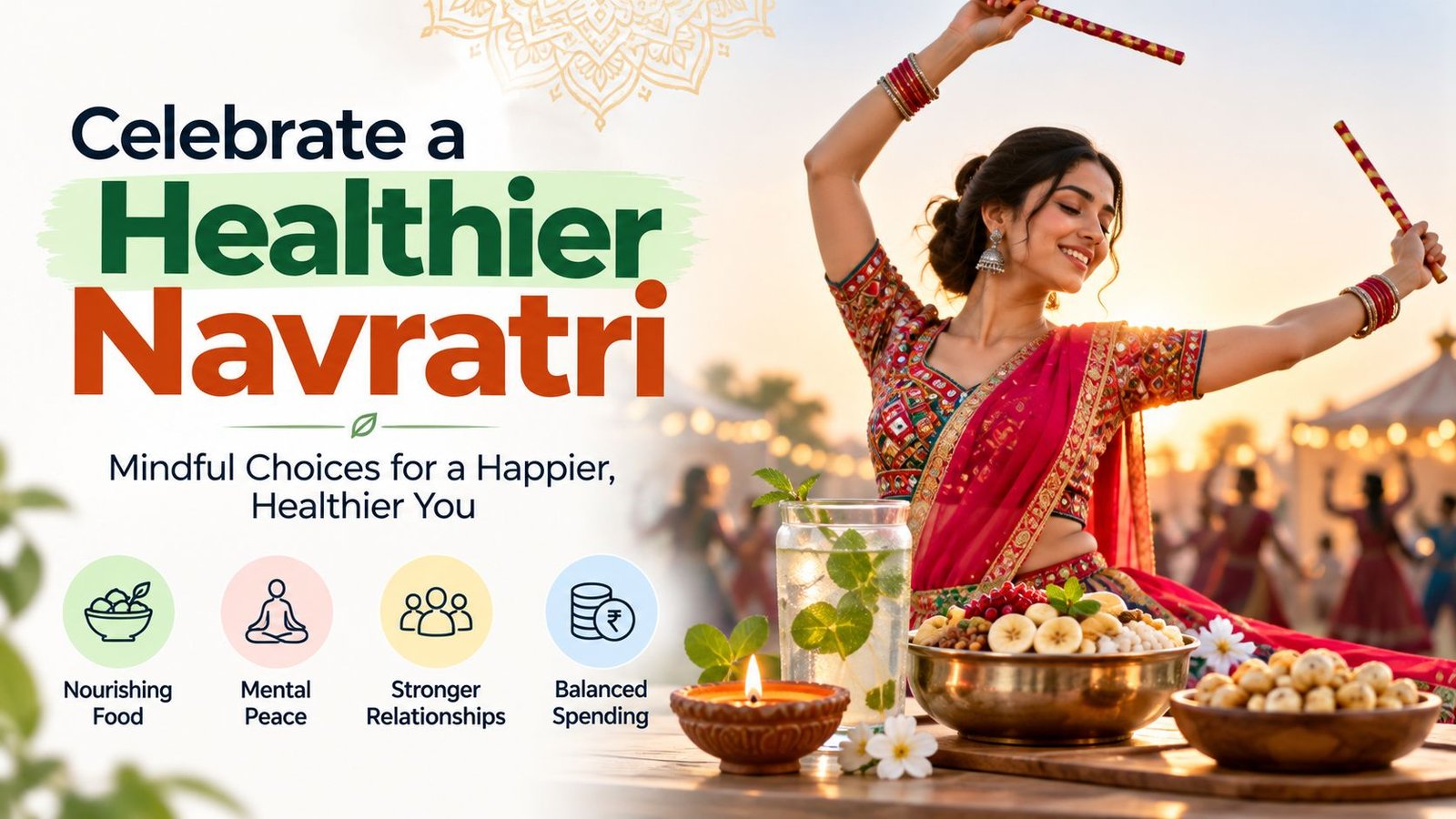
Quick Answer: How Can You Celebrate Navratri in a Healthy Way?
You can celebrate Navratri healthily by eating balanced meals within your chosen fasting traditions, drinking enough fluids, getting adequate sleep, staying active according to your energy levels, managing stress and spending meaningful time with family and friends. You do not need extreme diets, exhausting workouts or expensive wellness products to make the festival healthier.
The goal is to enjoy Navratri while respecting your body’s needs, your personal beliefs and your everyday responsibilities.
Key Takeaways
Physical health: Make thoughtful food choices, stay hydrated, sleep well and move your body according to your energy levels.
Mental well-being: Use prayer, reflection, music and quiet time to create moments of calm.
Social wellness: Strengthen relationships through family traditions, community celebrations and meaningful conversations.
Financial wellness: Plan your festival expenses and enjoy celebrations without unnecessary financial pressure.
Sustainable habits: Focus on small, realistic changes rather than trying to transform your entire lifestyle in nine days.
Individual needs matter: Fasting is not suitable for everyone in the same way. Medical conditions and medications may require professional guidance.
1. Understand Navratri Through the Lens of Holistic Health
Sharad Navratri is traditionally dedicated to the worship of Goddess Durga and her nine forms. In 2026, the festival is being observed from 11 October, with Vijayadashami falling on 20 October. Dates for specific rituals can vary by local Panchang and tradition. Navratri 2026 calendar.
For many devotees, Navratri represents devotion, discipline, renewal and the triumph of good over evil. These themes can also inspire thoughtful everyday habits.
At Holistic Health with Pravin, we look at well-being through four connected dimensions.
| Dimension | What It Means During Navratri | A Practical Example |
|---|---|---|
| Physical health | Caring for your body and energy | Eating nourishing meals, hydrating and sleeping adequately |
| Mental health | Creating space for calm and reflection | Prayer, journaling, breathing exercises or quiet time |
| Social health | Building meaningful connections | Spending time with family, friends and your community |
| Financial health | Enjoying the festival within your means | Setting a celebration budget and avoiding unnecessary purchases |
These dimensions influence one another. For example, financial stress may affect sleep, poor sleep can influence your mood, and feeling exhausted can make it harder to enjoy social activities.
A holistic approach does not mean doing everything perfectly. It means paying attention to the different parts of life that contribute to your well-being.
2. Choose Nourishing Foods During Navratri
Food is an important part of the Navratri experience. Depending on family customs and regional traditions, people may eat fruits, dairy products, sabudana, kuttu, singhara flour, rajgira, potatoes, nuts and other fasting-friendly foods.
However, a food being permitted during a fast does not automatically make every preparation nutritionally balanced. Fried snacks, sweets and large portions of energy-dense foods can dominate meals if you do not plan ahead.
The World Health Organization recommends dietary patterns that emphasize variety, balance and moderation, including fruit and vegetables, and limiting excessive free sugars, salt and unhealthy fats. WHO healthy diet guidance.
Healthy Navratri Food Choices
| Food or Meal Idea | How It Can Fit Into Your Routine |
|---|---|
| Fresh fruit | A convenient snack that provides fluids, fibre and nutrients |
| Plain curd or milk, if suitable | Provides protein and calcium |
| Roasted makhana | A convenient alternative to frequently eating fried snacks |
| Kuttu or rajgira preparations | Can be included in meals according to your fasting customs |
| Peanuts or other permitted nuts | Provide energy, fats and some protein |
| Paneer, where permitted | Offers a protein-containing option |
| Potato or sweet potato | Provides carbohydrates; pair it with other suitable foods for variety |
| Cucumber and other permitted vegetables | Can add freshness and variety to meals |
These are general food ideas, not a prescribed fasting diet. The suitability of each food depends on your health needs and the fasting rules you follow.
Example of a Balanced Navratri Eating Routine
| Time | Example |
|---|---|
| Morning | Water and a suitable breakfast, such as fruit with curd, if permitted |
| Mid-morning | A fruit or a small portion of nuts |
| Lunch | A home-prepared fasting meal with a suitable carbohydrate, a protein-containing food and vegetables where permitted |
| Evening | Roasted makhana, fruit or another suitable snack |
| Dinner | A comfortable portion of a home-prepared meal that fits your fasting tradition |
Adjust the timing and portions to your schedule, appetite and health requirements. This is an example, not a rule that everyone must follow.
Do Not Turn Fasting Into a Competition
Some people observe a full fast, while others eat selected foods or do not fast at all. These are personal choices shaped by religious practice, family tradition and individual circumstances.
Avoid comparing your fasting routine with someone else’s. A longer fast or a more restrictive diet is not automatically healthier.
Important: People with diabetes, kidney disease or other medical conditions, those who take medicines that may be affected by fasting, and people who are pregnant or breastfeeding should seek individualized medical advice before changing their eating pattern. Do not alter prescribed medication schedules without guidance from a healthcare professional.
3. Stay Hydrated, Especially During Busy Days
Between work, travel, shopping, puja and evening celebrations, it can be easy to forget to drink fluids. Dehydration may contribute to thirst, headaches, dizziness and fatigue.
Make hydration part of your routine rather than waiting until you feel very thirsty.
Keep drinking water regularly throughout the day, unless a healthcare professional has advised you to restrict fluids.
Carry a reusable water bottle when travelling or attending celebrations.
Include water-rich foods, such as fruit, when they fit your dietary customs.
Avoid relying heavily on sugary drinks for refreshment.
If you are fasting without fluids, understand that hydration needs may be harder to meet. Do not ignore symptoms such as dizziness or weakness.
There is no single water target that suits everyone. Fluid requirements vary with activity, weather, health and individual needs.
4. Protect Your Sleep During Navratri
Late-night Garba, Dandiya and social gatherings can make it difficult to maintain a regular sleep schedule, especially for working professionals who need to wake up early the next morning.
Sleep is important for attention, mood, recovery and daily functioning. Losing sleep repeatedly may leave you feeling tired and less focused during the day.
Simple Sleep Tips for Navratri
Plan your evenings realistically. If you have work the next morning, choose celebration timings that leave enough opportunity for sleep.
Reduce unnecessary late-night screen time. After returning home, avoid extending the night with prolonged scrolling.
Prepare for the morning in advance. Keep your work clothes, bag and essentials ready so that your next morning feels less rushed.
Listen to your body. If you feel persistently exhausted, reconsider your schedule instead of relying on caffeine to push through every day.
You do not need to miss every celebration to protect your sleep. A little planning can help you enjoy the festival while maintaining a workable routine.
5. Enjoy Garba and Dandiya as Opportunities for Movement
For many people, Garba and Dandiya are among the most enjoyable parts of Navratri. Dancing can provide an opportunity to move, socialize and take a break from sedentary work.
However, if you are new to regular exercise, you do not need to dance for hours on your first evening.
Start at a comfortable intensity, wear supportive footwear, take breaks and drink fluids. If the weather is hot or the venue is crowded, pay attention to heat and your body’s response to activity.
A Simple Movement Plan
| Situation | Practical Approach |
|---|---|
| You work at a desk all day | Take short movement breaks during the day |
| You are attending Garba | Warm up gently and increase intensity gradually |
| You are new to dancing | Start with shorter sessions and rest when needed |
| You feel tired or unwell | Stop and recover rather than forcing yourself to continue |
| You have a health condition | Ask your healthcare professional about suitable activity levels |
Regular physical activity is beneficial for health, but the right amount and intensity depend on your fitness, health and circumstances.
6. Make Space for Mental Peace and Reflection
Festivals can bring happiness and connection, but they can also introduce pressure: shopping deadlines, social expectations, family responsibilities, travel and the feeling that you must attend every event.
Mental wellness does not require you to feel positive all the time. It means recognizing your needs and creating space to respond to them thoughtfully.
Five Small Ways to Support Mental Well-Being
Begin the day with a quiet moment. Prayer, meditation or a few minutes of reflection can help you start with intention.
Set realistic expectations. You do not have to attend every event or meet every expectation.
Take breaks when you need them. A short period of quiet can be helpful after a busy day.
Write down what matters. A brief journal entry about gratitude, priorities or lessons can encourage reflection.
Reduce comparison. Other people’s celebrations, outfits and social media posts do not determine the quality of your Navratri.
If stress or low mood becomes persistent or starts affecting your everyday life, consider seeking appropriate professional support.
7. Strengthen Relationships Through Meaningful Celebration
Social wellness is an important part of a holistic lifestyle. Navratri can create opportunities to spend time with loved ones, reconnect with friends and participate in community traditions.
The value of a celebration does not depend on how expensive it is or how many events you attend.
You might prepare a meal with your family, visit a community celebration, call a relative you have not spoken to recently or help someone who needs support.
During conversations, try to be present instead of checking your phone repeatedly. Respect that people may observe Navratri differently, including differences in fasting, food preferences and religious practices.
A healthy celebration makes room for different needs and encourages people to feel included rather than judged.
8. Celebrate Navratri Without Creating Financial Stress
Financial wellness may not be the first thing that comes to mind during a festival, but it can influence your overall experience.
Clothes, travel, food, decorations, gifts and event tickets can add up quickly. Spending beyond your means may create stress that continues after the festival ends.
A Simple Navratri Budget
| Expense Category | A Practical Step |
|---|---|
| Clothing | Reuse outfits or choose pieces you can wear again |
| Food and gatherings | Plan meals and avoid unnecessary food waste |
| Travel | Estimate transport costs before attending events |
| Shopping | Make a list and distinguish needs from impulse purchases |
| Gifts and donations | Decide on a comfortable amount in advance |
| Emergency expenses | Keep essential savings separate from festival spending |
You do not need to remove joy from your celebrations to manage money wisely. The aim is to make conscious choices that reflect your priorities and financial situation.
9. A Practical Daily Wellness Routine for Navratri
If you are balancing a job, family responsibilities and festive activities, a simple routine is often more realistic than a complicated wellness plan.
| Part of the Day | Suggested Habit | Wellness Benefit |
|---|---|---|
| Morning | Begin with prayer, reflection or a quiet moment | Encourages intentionality |
| Before work | Have a suitable meal and prepare for the day | Supports a more organized start |
| During work | Take movement breaks and drink fluids regularly | Helps break up long periods of sitting |
| Afternoon | Pause briefly and review your energy levels | Helps you notice when you need rest |
| Evening | Enjoy family time, prayer or a celebration | Creates opportunities for connection |
| Before bed | Reduce stimulation and prepare for sleep | Supports a more consistent sleep routine |
Adapt this routine to your fasting practice, work timings, commute, family needs and health requirements. Consistency matters more than following a perfect schedule.
10. Seven Common Navratri Wellness Mistakes to Avoid
Mistake 1: Eating Only Fried Fasting Foods
Traditional dishes can be enjoyed, but relying mainly on fried foods and sweets may leave little room for variety. Include suitable fruits, dairy, nuts and other permitted foods where appropriate.
Mistake 2: Ignoring Hydration
Busy schedules can make it easy to forget fluids. Build regular drinking breaks into your day, within any medical or fasting restrictions.
Mistake 3: Sacrificing Sleep for Every Event
Attending celebrations every night may be difficult to sustain alongside work and family commitments. Choose events thoughtfully and protect recovery time.
Mistake 4: Exercising Beyond Your Energy Level
Long dance sessions combined with reduced food intake may not suit everyone. Adjust activity according to your energy, hydration and health.
Mistake 5: Treating Fasting as a Weight-Loss Challenge
Navratri fasting is a personal religious practice, not a guaranteed weight-loss method or a necessary way to prove discipline. Avoid extreme restrictions and listen to your body’s needs.
Mistake 6: Spending to Keep Up With Others
Social pressure can encourage unnecessary shopping and event expenses. Make choices that fit your own budget and priorities.
Mistake 7: Trying to Change Everything at Once
You do not need to overhaul your diet, exercise, sleep and finances during one festival. Choose one or two realistic habits and build from there.
Also Read : The Complete Guide to Holistic Health
11. Frequently Asked Questions About Healthy Navratri
How can I stay healthy during Navratri?
Choose nourishing foods that fit your traditions, maintain hydration where permitted, get sufficient sleep, stay active at a comfortable level and manage your schedule. If you are fasting, consider your individual health needs rather than following someone else’s routine.
What should I eat during Navratri fasting?
Depending on your customs, options may include fruit, curd, milk, nuts, makhana, kuttu or rajgira preparations and selected vegetables. Try to include variety rather than relying exclusively on fried foods or sweets. Your food choices should also reflect any medical dietary requirements.
Is fasting during Navratri safe for everyone?
No. Fasting may not be appropriate for everyone, particularly people with certain medical conditions, those taking medicines affected by changes in food or fluid intake, and people who are pregnant or breastfeeding. Consult a healthcare professional for individualized advice before fasting if you have concerns.
How can I maintain energy during Navratri while working?
Plan meals that suit your fasting practice, drink fluids when permitted, take short movement breaks, manage caffeine sensibly and protect your sleep. If you develop significant dizziness, weakness or other concerning symptoms, stop the activity or fast as appropriate and seek medical advice.
Can Garba and Dandiya count as exercise?
Dancing can contribute to physical activity. Start at a suitable intensity, take breaks and avoid pushing through pain, dizziness or unusual breathlessness. People with relevant medical conditions should seek advice about appropriate activity.
How can I celebrate Navratri mindfully?
Make time for reflection, set realistic expectations, reduce unnecessary comparison, connect with loved ones and choose activities that align with your values. Mindful celebration means being more intentional, not following a perfect routine.
How can I make Navratri more meaningful without spending too much?
Focus on family traditions, community activities, home-prepared food, gratitude and time with loved ones. Set a budget before shopping or attending events, and remember that meaningful celebrations do not need to be expensive.
12. When Should You Seek Professional Advice?
General wellness tips cannot replace personalized healthcare. Speak with a qualified healthcare professional before fasting or changing your diet if you have diabetes, kidney disease, another chronic condition, a history of problems with restrictive eating, or medicines that may need to be adjusted around meals or fluids.
Seek prompt medical help if you experience severe or persistent dizziness, fainting, confusion, chest pain, unusual breathlessness or other serious symptoms. Do not push through significant symptoms to complete a fast, workout or celebration.
For ongoing sleep difficulties, persistent stress or other concerns that interfere with everyday life, consider appropriate professional support.
13. Your Holistic Navratri Wellness Checklist
Use this checklist as a gentle reminder throughout the festival, not as a set of rules you must complete every day.
I have chosen food that fits my traditions and individual needs.
I am drinking fluids as appropriate for my fasting practice and health.
I am allowing enough time for sleep and recovery.
I am moving my body at a comfortable level.
I am making time for reflection or mental rest.
I am connecting meaningfully with family, friends or my community.
I am keeping festival spending within a realistic budget.
I am paying attention to how I feel and seeking help when needed.
Final Takeaway: Let Navratri Inspire a Healthier, More Balanced Life
Navratri is an opportunity to celebrate faith, culture, family and community. It can also remind us that the habits we practise every day shape our overall well-being.
You do not need an extreme diet, an exhausting schedule or an expensive wellness plan to make this festival meaningful. Start with simple choices: eat thoughtfully, respect your need for rest, move in ways you enjoy, nurture your relationships and make financial decisions with intention.
At Holistic Health with Pravin, the message is simple: wellness is not one perfect meal, one workout or nine days of discipline. It is the ongoing practice of caring for your physical, mental, social and financial well-being in ways that fit real life.
This Navratri, celebrate with devotion, enjoy the moments that matter and carry one healthy habit into the days that follow.
Sources and Further Reading
World Health Organization — Healthy Diet: Guidance on dietary variety, balance, moderation and limiting excessive sugar, salt and unhealthy fats.
Drik Panchang — Sharad Navratri Calendar 2026: Festival calendar and date information.
Holistic Health with Pravin: Explore practical guidance on healthy habits, nutrition, lifestyle and overall well-being.
Health note: This article provides general educational information and is not a substitute for medical advice. Fasting practices and dietary needs vary by individual and tradition.
About the Author
Pravin Patil is the creator of Holistic Health with Pravin, a platform dedicated to practical ideas for improving physical, mental, social and financial well-being. The goal is to help people build sustainable habits that fit their everyday lives.
Continue Your Holistic Wellness Journey
Explore more practical guides on healthy eating, sleep, energy, mental well-being, daily habits and financial wellness at Holistic Health with Pravin.
Your health journey does not need to be complicated. Start with one mindful choice, practise it consistently and build from there.