
What Is Gut Health and Why Does It Affect Your Mood?
Quick Answer
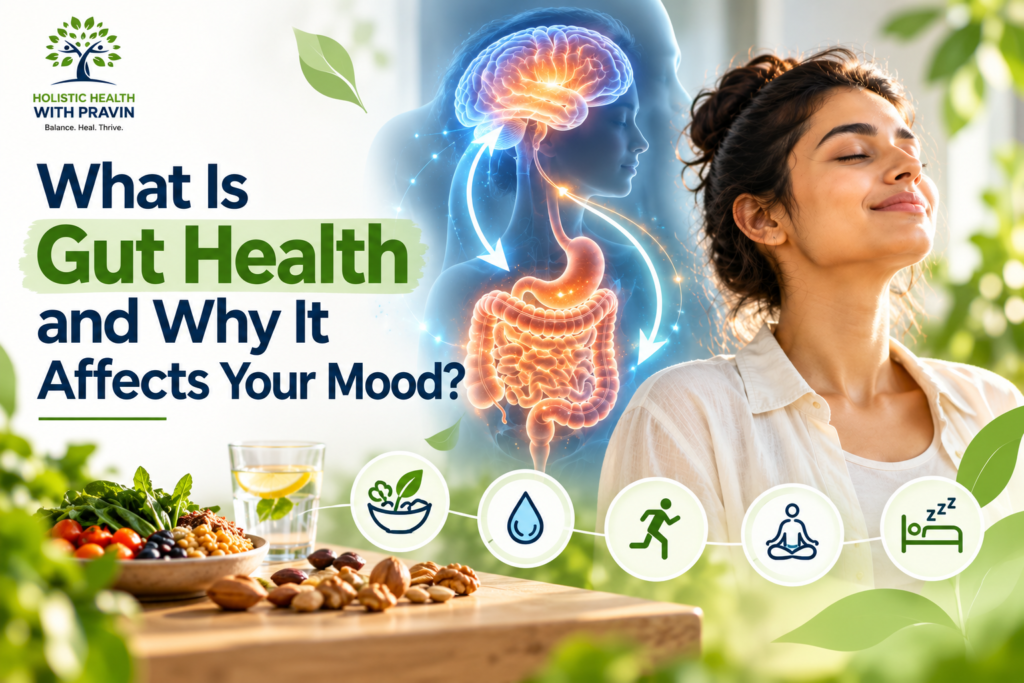
Gut health is about much more than digestion. Your digestive system is home to trillions of microorganisms that interact with your food, immune system, metabolism and nervous system, and research increasingly shows that the gut and brain communicate in both directions through what is commonly called the gut-brain axis. This does not mean that every mood change is caused by your gut, or that improving your gut health can cure anxiety or depression. The science is still developing, but there is growing evidence that diet, gut microbes, immune signalling and microbial metabolites may influence aspects of mood and emotional well-being.For most people, the practical takeaway is simple: take care of your gut as part of taking care of your whole body.
Key Takeaways
Gut health is not only about digestion. Your gut interacts with your immune system, metabolism and nervous system and communicates with the brain through multiple pathways.
The gut-brain relationship works in both directions. Stress and other signals from the brain can influence the gut, while signals originating in the gut can influence brain function and emotional processes.
Your diet matters. A varied diet containing vegetables, fruits, pulses, whole grains, nuts and other nutrient-dense foods provides fibre and nutrients that support overall health and also influences the gut microbiome.
Probiotics are not a magic solution. Research suggests some probiotic interventions may improve certain mental-health outcomes, but results vary by strain, population and study, so more research is needed.
You don’t need an expensive “gut detox.” Everyday habits such as eating a diverse diet, getting enough fibre, staying active, sleeping well and managing stress are a more sensible foundation.
Gut health is personal. A food that works well for one person may cause symptoms in another, especially when someone has a digestive condition or food intolerance.
Detailed Explanation
What Exactly Is Gut Health?
When people hear the words gut health, they often think about bloating, constipation or digestion.
Those things certainly matter, but gut health is broader than that.
Your gastrointestinal tract is a living environment where food is digested and absorbed, the immune system interacts with what enters the body, and a huge community of microorganisms lives and produces biological compounds.
This community is generally referred to as the gut microbiota, while the collection of microorganisms and their genetic material is commonly called the gut microbiome.
And here’s where things get interesting.
Your gut isn’t working independently from the rest of your body.
It is constantly communicating with your brain.
Scientists describe this network of communication as the gut-brain axis. It involves multiple pathways, including neural, immune, hormonal and metabolic signalling.
So when we talk about gut health, we’re not simply talking about whether you had a comfortable bowel movement today.
We’re talking about one part of a much larger system.
What Is the Gut-Brain Axis?
Think about what happens when you’re nervous.
You have an important presentation at work.
Suddenly your stomach feels strange.
Maybe you lose your appetite.
Maybe you need to use the bathroom.
Maybe you feel butterflies in your stomach.
That experience is a very simple example of the two-way relationship between the brain and the gut.
Your brain can influence your digestive system.
And signals from your digestive system can travel back toward the brain.
Modern research describes the gut-brain axis as a bidirectional communication network, meaning the communication doesn’t simply travel from the gut to the brain. The brain can also influence gut function and the gut microbiota.
The relationship looks roughly like this:
| Gut SideBrain Side | |
|---|---|
| Gut microbes produce metabolites | Brain receives biological signals |
| Digestive activity sends neural signals | Stress can influence digestion |
| Immune activity can affect signalling | Emotional state can affect gut function |
| Food changes the microbial environment | Brain and behaviour can influence eating habits |
| Gut signals travel through several pathways | Brain sends signals back to the gut |
This is why “gut health” and “mental well-being” shouldn’t always be treated as completely separate topics.
How Can Your Gut Influence Your Mood?
This is where we need to be careful.
Research has found associations between the gut microbiome and conditions such as depression, anxiety and stress-related disorders, and researchers are studying several possible mechanisms. But association does not automatically mean that a particular gut bacterium causes a particular mental-health condition.
Several pathways are being investigated.
1. Microbial Metabolites
The microorganisms living in your gut don’t just sit there.
They interact with the food you eat and produce metabolites that can influence the body’s biological processes.
One area of particular interest is short-chain fatty acids, which are produced when certain gut microbes ferment dietary fibre.
Researchers are investigating how these microbial products may influence immune, metabolic and nervous-system signalling.
This is one reason fibre-rich foods are interesting from a gut-health perspective.
Your gut microbes need something to work with.
And dietary fibre is an important part of that environment.
2. The Nervous System Connects the Gut and Brain
Your gut contains an extensive nervous system and communicates with the brain through several neural pathways, including signalling involving the vagus nerve.
This is one reason your emotional state can sometimes show up physically in your stomach.
Think about the feeling you get before an important interview.
Your brain knows something important is happening.
Your gut knows it too.
The relationship is much more complicated than simply saying “your gut controls your mood,” but the nervous system is an important part of the communication network.
3. The Immune System Is Part of the Conversation
Your gut and immune system are closely connected.
The gut is constantly exposed to food, microorganisms and other substances, so immune regulation in this area is important.
Researchers are investigating how changes in the gut environment, microbial metabolites and immune signalling may influence brain function and mental health.
This is still an active research area.
We understand the basic communication pathways much better than we understand every consequence of changing the microbiome.
That’s an important distinction.
4. Your Diet Influences Your Gut Microbiome
This may be the most practical part of the entire conversation.
Your gut microbes interact with what you eat.
A diet based on a variety of vegetables, fruits, pulses, whole grains, nuts and other nutritious foods provides different fibres and nutrients and is consistent with general healthy-diet guidance. WHO recommends dietary diversity and, for people over age 10, at least 400 grams of fruits and vegetables per day and at least 25 grams of naturally occurring dietary fibre per day.
For an Indian household, this doesn’t mean buying expensive imported “superfoods.”
There are plenty of familiar options.
| Food GroupEveryday Examples | |
|---|---|
| Pulses | Dal, chana, rajma, moong, masoor |
| Whole grains | Oats, whole-wheat roti, brown rice, millets |
| Vegetables | Bhindi, lauki, पालक, carrot, beans, cauliflower |
| Fruits | Banana, guava, papaya, orange, apple, seasonal fruits |
| Nuts & seeds | Almonds, walnuts, peanuts, flaxseed, sesame |
| Fermented foods | Curd/dahi and other traditionally fermented foods, depending on individual tolerance |
The exact combination can vary according to your dietary preferences, culture, budget, availability and health needs.
Healthy eating doesn’t have to look foreign to be healthy.
Can Gut Health Really Change Your Mood?
This is probably the question you came here to answer.
The honest answer is:
The gut-brain relationship is real, but the science is not simple enough to say that improving your gut will automatically improve your mood.
Research increasingly supports communication between the gut microbiome and the brain, and studies have reported associations between microbial patterns and mental-health outcomes. However, researchers are still working out exactly which changes matter, for whom, and whether specific interventions can reliably improve mental-health conditions.
Some studies of probiotics, prebiotics and synbiotics have reported improvements in certain depressive, anxiety or broader psychological outcomes, but systematic reviews also highlight variation between studies and the need for better research.
So don’t fall into either extreme:
“Gut health has nothing to do with mental health.”
or
“Fix your gut and you’ll cure depression.”
Neither statement accurately represents the current evidence.
The more reasonable view is:
Your gut is one part of a complex system that interacts with your brain and overall health.
Practical Action Plan: How to Support Your Gut Naturally
You don’t need a 30-day detox.
You don’t need a cupboard full of supplements.
And you don’t need to completely change your diet tomorrow.
Start with the basics.
1. Increase Dietary Variety
Instead of eating the same five foods every day, gradually introduce more variety.
Rotate your vegetables.
Eat different fruits.
Use different pulses.
Include different whole grains.
Add nuts and seeds when suitable.
A diverse diet is consistent with healthy-diet guidance and provides different nutrients and types of dietary fibre.
2. Eat More Fibre-Rich Foods
Fibre is important for digestive health and also provides substrate for microbial fermentation in the colon.
Good everyday sources include:
Dal and other pulses
Chickpeas
Beans
Vegetables
Fruits
Whole grains
Nuts
Seeds
If your current diet is low in fibre, increase it gradually and drink enough fluids. A sudden large increase can cause temporary bloating or discomfort in some people.
3. Include Fermented Foods If They Suit You
Fermented foods are receiving attention in gut-brain research because they can contain beneficial microorganisms, microbial metabolites and other bioactive compounds.
For many Indian households, fermented foods are not a new trend at all.
They are already part of traditional eating patterns.
Depending on your tolerance and dietary preferences, examples may include curd/dahi and other fermented foods.
However, not every fermented food contains the same microorganisms, and fermentation does not automatically make every product healthy.
Read the label and consider the overall nutritional quality.
4. Don’t Make Ultra-Processed Food the Foundation of Your Diet
This doesn’t mean you can never eat packaged food.
Real life doesn’t work that way.
But if most of your meals come from highly processed foods that are high in free sugars, unhealthy fats or sodium and low in fibre, there may be less room for the diverse, nutrient-dense foods that support a healthy eating pattern.
WHO recommends a varied diet built around foods such as vegetables, fruits, pulses, whole grains and nuts while limiting excessive free sugars, unhealthy fats and sodium.
Think overall pattern, not food fear.
5. Eat Slowly and Pay Attention to Your Body
Gut health isn’t only about what you eat.
Your eating behaviour matters too.
Try slowing down.
Sit down when possible.
Chew your food properly.
Notice whether you’re actually hungry.
Pay attention to how certain foods make you feel.
This doesn’t mean becoming obsessed with every digestive sensation.
It simply means becoming more aware.
Your body gives you information.
Learn to notice it.
6. Move Your Body Regularly
Physical activity isn’t only about weight management or fitness.
Movement is part of a healthy lifestyle and interacts with metabolic, cardiovascular and psychological health.
A daily walk is a perfectly reasonable place to start.
You don’t need to turn every health goal into an intense workout.
A 20–30 minute walk, regular movement breaks during work and some structured exercise during the week can all be part of a balanced routine.
7. Take Stress Seriously
This is where the gut-brain connection becomes especially easy to understand.
Think about the last time you were extremely stressed.
Did your appetite change?
Did your stomach feel uncomfortable?
Did your bowel habits change?
For many people, stress can have noticeable digestive effects.
And because communication between the brain and gut works in both directions, managing stress is a reasonable part of supporting overall gut and mental well-being.
Try simple practices that fit your life:
| If You Have…Try… | |
|---|---|
| 5 minutes | Slow breathing or quiet sitting |
| 10 minutes | A short walk without your phone |
| 15 minutes | Journaling, stretching or meditation |
| 30 minutes | Exercise, outdoor time or meaningful conversation |
| A stressful day | Reduce unnecessary stimulation and give yourself recovery time |
You don’t need to eliminate stress.
You need better ways to respond to it.
8. Protect Your Sleep
Your gut and brain don’t operate on completely separate schedules.
Sleep affects many aspects of health, and poor sleep can also influence eating behaviour, stress and daily energy.
Instead of searching for a “gut-health hack,” start with the basics.
Give yourself enough time to sleep.
Maintain a reasonably consistent sleep schedule.
Create a calmer evening routine.
And don’t underestimate what happens when you repeatedly sacrifice sleep for work, entertainment or scrolling.
A Simple Indian Gut-Friendly Day
You don’t need a special “gut health diet.”
Here’s an example of how a normal day could look:
| TimeExample | |
|---|---|
| Morning | Water, followed by your usual breakfast based on your hunger and dietary preferences |
| Breakfast | Vegetable poha, oats with fruit, idli with suitable accompaniments, or another balanced option |
| Mid-morning | Seasonal fruit if hungry |
| Lunch | Roti/rice + dal or another protein source + vegetables + salad/curd if tolerated |
| Evening | Fruit, nuts or another nutritious snack |
| Dinner | A balanced meal with vegetables and an appropriate protein source |
| Throughout the day | Water according to thirst, activity and climate |
| Daily movement | Walking, exercise or other physical activity |
This isn’t a prescription or a universal meal plan.
It’s simply an example of how ordinary Indian foods can fit into a diverse, balanced eating pattern.
The goal isn’t to make your diet complicated.
Common Gut Health Mistakes
Mistake 1: Thinking Every Digestive Problem Means “Bad Gut Bacteria”
Bloating, constipation, diarrhoea and abdominal pain can have many causes.
They don’t automatically mean you have an unhealthy microbiome.
Self-diagnosing yourself based on a social-media post can send you in the wrong direction.
Mistake 2: Buying Every Probiotic You See
“Probiotic” is not a magic word.
Different products contain different strains, doses and formulations, and evidence can vary depending on the specific product and health outcome.
Research suggests some probiotic interventions may help certain symptoms or outcomes, but the evidence is not uniform.
Talk to a healthcare professional if you’re considering probiotics for a specific medical problem.
Mistake 3: Doing Extreme Gut Detoxes
Juice cleanses, prolonged fasting, laxative-based “detoxes” and restrictive diets are not necessary foundations for gut health.
Your digestive system already has its own processes for digestion and elimination.
Focus on sustainable eating and lifestyle habits instead.
Mistake 4: Removing Half Your Diet Without a Reason
Suddenly eliminating dairy, gluten, grains, fruits or other food groups because someone on social media blamed them for “gut inflammation” can create unnecessary restriction.
If you suspect a food intolerance or digestive disorder, get proper medical advice instead of relying on internet diagnosis.
Mistake 5: Treating Gut Health as a Mental-Health Cure
This is particularly important.
Gut health may be one factor involved in the complex relationship between nutrition, microbiota and brain function.
But depression, anxiety and other mental-health conditions have multiple biological, psychological and social influences.
Gut health should complement appropriate mental-health care, not replace it.
FAQs
What is gut health?
Gut health refers broadly to how well your gastrointestinal system functions and how its microbial community interacts with digestion, immunity, metabolism and other parts of the body. The gut microbiome is an important component, but “gut health” is broader than simply having a certain number of bacteria.
What is the gut-brain axis?
The gut-brain axis is the two-way communication network connecting the gastrointestinal system and the brain. It involves several pathways, including neural, immune, hormonal and microbial-metabolite signalling.
Can poor gut health affect mood?
Research suggests that the gut microbiome and brain communicate in both directions and that changes in the gut environment may be associated with mood and mental-health outcomes. However, this does not mean that gut problems are the sole cause of mood disorders or that improving gut health can cure them.
What foods are good for gut health?
A varied diet containing vegetables, fruits, pulses, whole grains, nuts and other minimally processed foods provides dietary fibre and nutrients that support a healthy eating pattern. WHO recommends dietary diversity and adequate fruit, vegetable and fibre intake.
Is curd good for gut health?
Curd or dahi can fit into a healthy diet and is a fermented food, but individual tolerance varies and not every fermented food has the same microbial properties. If dairy causes you digestive symptoms, speak with a healthcare professional before assuming you need to consume it for gut health.
Do probiotics improve mood?
Some studies and meta-analyses have reported improvements in certain depressive, anxiety or psychological outcomes with probiotic interventions, but results vary between strains, products and populations. Probiotics should not be considered a replacement for established treatment of mental-health conditions.
Are prebiotics and probiotics the same?
No. Probiotics are live microorganisms that, when administered in adequate amounts, can provide a health benefit in specific circumstances. Prebiotics are substances, often certain types of dietary fibre, that are used by microorganisms and can influence the microbial environment. The two concepts are related but not interchangeable.
Can stress affect the gut?
Yes. The gut and brain communicate in both directions, and stress can influence gastrointestinal function and gut-related symptoms. At the same time, signals from the gut can influence brain and emotional processes.
Is a gut detox necessary?
For most people, there is no need for a commercial “gut detox” as the foundation of gut health. A varied diet, adequate fibre, regular movement, sleep and stress management are more sensible starting points.
How can I improve my gut health naturally?
Start with simple habits: eat a varied diet rich in fibre-containing plant foods, include nutritious fermented foods if they suit you, stay physically active, sleep adequately, manage stress and avoid unnecessary restrictive diets.
When Should You Consult a Professional?
Occasional bloating or changes in digestion can happen to anyone, but persistent or significant symptoms deserve proper attention.
Speak with a qualified healthcare professional if you experience ongoing abdominal pain, persistent diarrhoea or constipation, blood in your stool, unexplained weight loss, repeated vomiting, significant changes in bowel habits or symptoms that are interfering with everyday life.
You should also seek professional support if persistent low mood, anxiety, loss of interest, sleep changes or other mental-health symptoms are affecting your daily functioning.
Don’t assume that a “gut problem” is the explanation for every physical or emotional symptom.
A healthcare professional can look at the bigger picture and determine whether further evaluation is needed.
The Bigger Picture: Your Gut Is Part of Your Whole Health
One of the most interesting things about gut health is that it reminds us why health shouldn’t be divided into completely separate boxes.
We often say:
Physical health.
Mental health.
Nutrition.
Sleep.
But your body doesn’t work that way.
Your sleep affects your appetite.
Your stress can affect your digestion.
Your diet influences your gut environment.
Your gut communicates with your brain.
Your activity affects your metabolism and mental well-being.
Everything is connected to some degree.
That doesn’t mean one habit controls everything.
It means that small, consistent habits can support several parts of your health at the same time.
And that is the real idea behind holistic health.
Practical Gut Health Checklist
| HabitWhat to Focus On | |
|---|---|
| 🥗 Food variety | Eat a diverse range of nutritious foods |
| 🌾 Fibre | Include pulses, vegetables, fruits, whole grains, nuts and seeds |
| 🥛 Fermented foods | Include suitable options such as curd/dahi if tolerated |
| 🚶 Movement | Stay physically active throughout the week |
| 😴 Sleep | Give yourself adequate, consistent sleep |
| 🧠 Stress | Build simple ways to recover and manage stress |
| 💧 Hydration | Drink fluids regularly according to your needs |
| 🚫 Extreme diets | Avoid unnecessary restriction and “detox” approaches |
| 🩺 Professional care | Get persistent symptoms evaluated |
You don’t need to check every box perfectly.
The goal is consistency, not perfection.
What Are the Best Daily Healthy Habits for a Healthier Life?
Final Takeaway
Your gut is not just a place where food goes after you eat.
It is part of a complex biological network that communicates with your immune system, metabolism and brain.
Scientists are still learning exactly how the gut microbiome influences mood and mental health, but the gut-brain connection is now an important area of research.
The practical lesson doesn’t need to be complicated.
Eat a variety of nutritious foods.
Get enough fibre.
Include fermented foods if they suit you.
Move your body.
Sleep well.
Manage stress.
And don’t fall for every new “gut detox” or miracle supplement that appears online.
You don’t need to obsess over your gut. You need to take care of it.
And when you take care of your gut as part of your overall lifestyle, you’re not just thinking about digestion.
You’re thinking about whole-person health.
Sources
Nature Reviews Gastroenterology & Hepatology: Research review on communication across the microbiota-gut-brain axis and the mechanisms involved.
Nature Metabolism: Review of the diet-microbiota-gut-brain axis and its relationship with brain function and emotional health.
Nature Reviews Microbiology: Review of bidirectional communication between gut microbiota and the brain.
PubMed / Asian Journal of Psychiatry: Review of the microbiota-brain axis and its relationship with psychiatric disorders.
WHO: Healthy diet guidance, including dietary diversity, fruits, vegetables, pulses, whole grains and dietary fibre.
PubMed: Review of fermented foods and their potential role in the microbiota-gut-brain axis.
PubMed: Meta-analysis examining strain-specific probiotic effects on depression and anxiety.
PubMed: Umbrella review examining probiotics, prebiotics and synbiotics and neuropsychiatric outcomes.
About the Author
Pravin Patil
Pravin Patil is the creator of Holistic Health by Pravin, a platform focused on helping people build a healthier and more balanced lifestyle through practical, easy-to-understand health and wellness education.
His approach to holistic health goes beyond physical fitness. It looks at four interconnected areas of life: physical health, mental health, social health and financial health.
Through Holistic Health by Pravin, Pravin aims to make health information easier to understand and more practical for people managing careers, family, personal goals and everyday responsibilities.
The philosophy is simple:
You don’t need a perfect lifestyle to become healthier. You need sustainable habits that fit your real life.
Want to Build Better Health From the Inside Out?
Your gut doesn’t need a complicated detox plan.
It needs consistent care.
Start with your next meal. Add a little more variety. Choose a fibre-rich food. Take a walk. Get enough sleep. Give your mind some time to slow down.
Small choices may not feel dramatic today, but they become meaningful when they become part of your everyday life.
Your physical health, mental well-being and daily habits are connected.
If you want more practical, evidence-informed content on nutrition, gut health, energy, mental well-being, healthy habits and holistic living, explore more articles from Holistic Health by Pravin.
Take care of your whole health, one habit at a time.